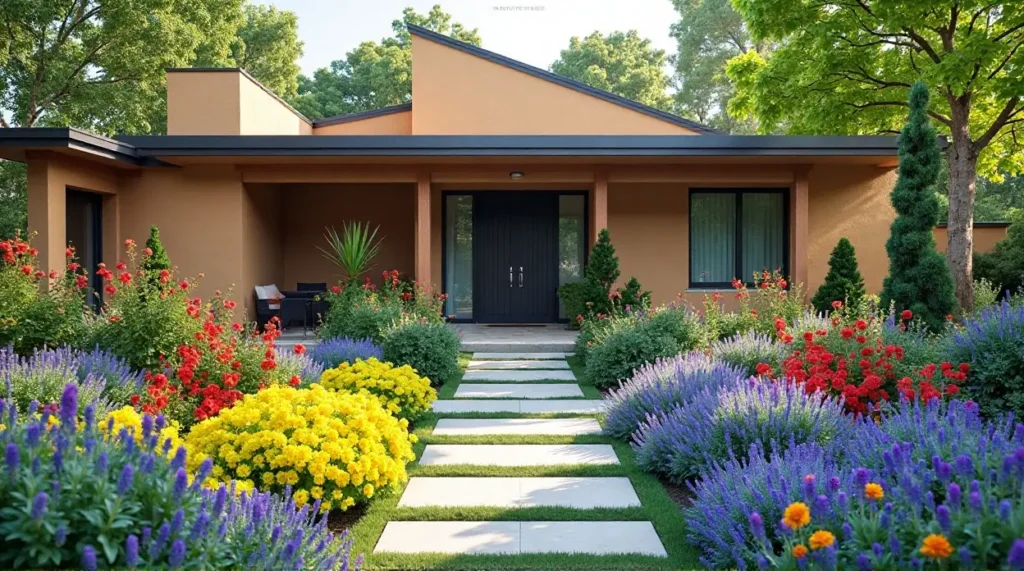
Color theory plays a pivotal role in landscape design, influencing how spaces are perceived and experienced. An effectively curated color palette can enhance your home’s exterior, create harmony with the environment, and evoke desired emotions. This guide discusses the principles of color theory in landscaping and offers practical tips for selecting plant and flower combinations that complement your home’s architecture and elevate its aesthetic appeal.
1. Understanding Color Theory
Color Wheel Basics:
- The color wheel consists of primary, secondary, and tertiary colors. Understanding their relationships—such as complementary, analogous, and triadic color schemes—can guide your palette selection.
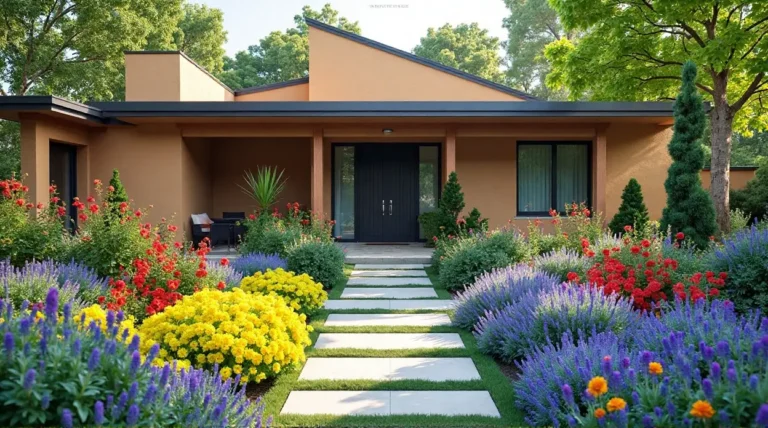
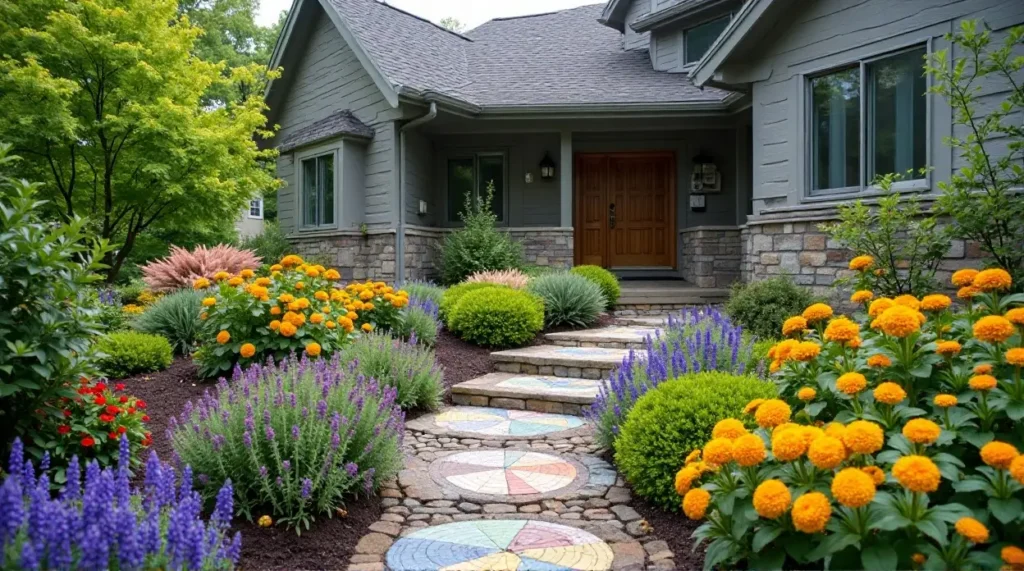
- Complementary Colors: Opposite each other on the color wheel (e.g., blue and orange) create vibrant contrasts, making features stand out.
- Analogous Colors: Located next to each other (e.g., blue, blue-green, and green) provide a harmonious and cohesive look, promoting a tranquil environment.
Psychological Impact of Colors:
- Colors can evoke emotions and set the mood for your outdoor space. For example, blues and greens tend to create a calming atmosphere, while warm colors like reds and yellows can energize and invite social interaction.
2. Selecting a Color Palette for Your Landscape
Consider Your Home’s Exterior:
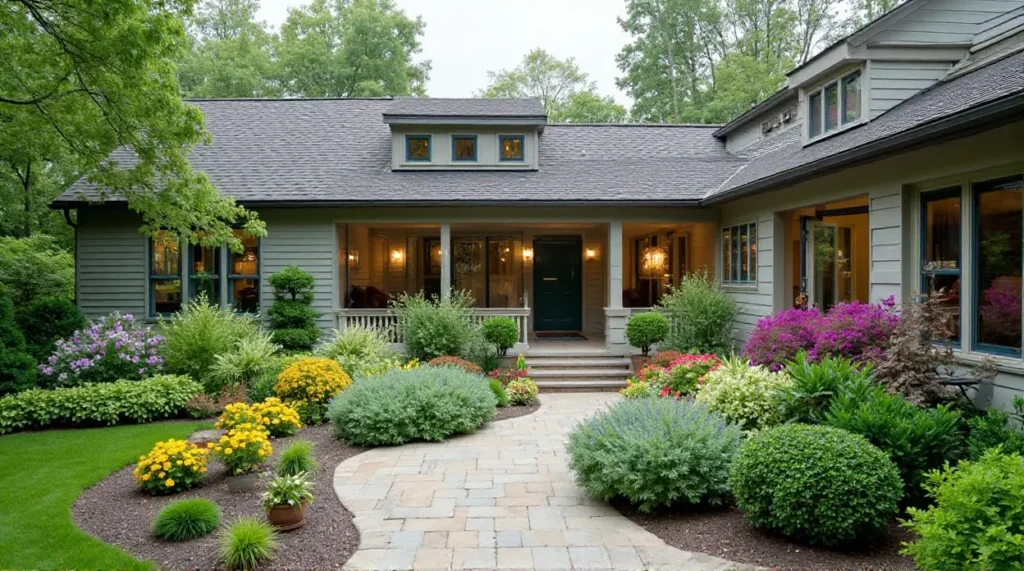
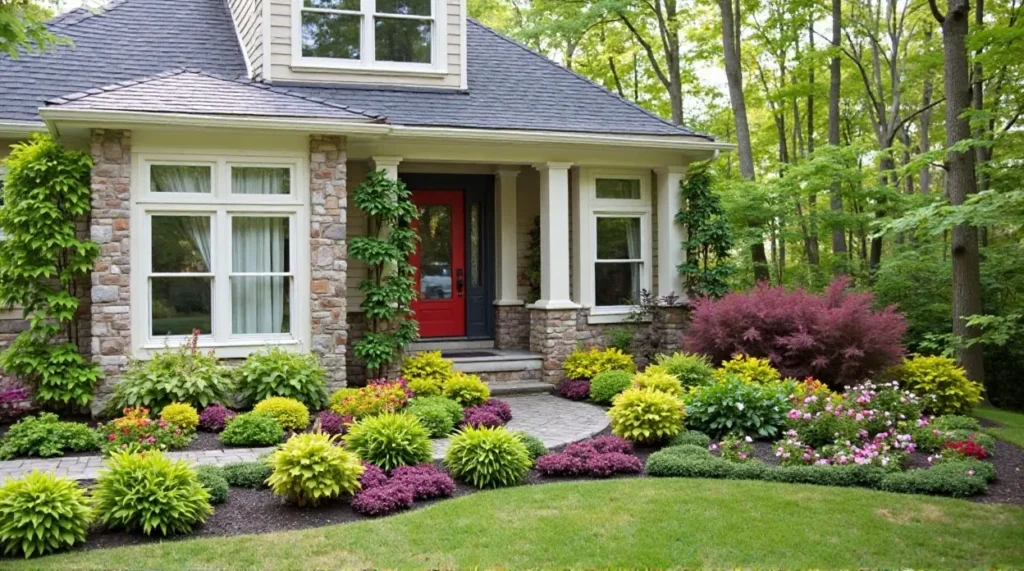
- Review your home’s architectural style, color scheme, and materials. Choose plant colors that complement or harmonize with these elements. For instance, a house with warm beige tones may be enhanced by earthy greens and vibrant reds, while cooler grays might pair well with soft purples and whites.
Seasonality and Durability:
- Consider the seasonal aspects of your chosen plants. Select a combination of perennials and annuals to ensure that your landscape offers visual interest throughout the year. Think about how colors will change with different seasons, such as fall foliage or winter evergreens.
Focal Points and Accents:
- Use color strategically to direct the eye to focal points in your landscape. Brightly colored flowers can draw attention to seating areas or garden sculptures, while softer shades can ease the transition between different landscape elements.
3. Plant and Flower Combinations
Creating Vibrant Schemes:
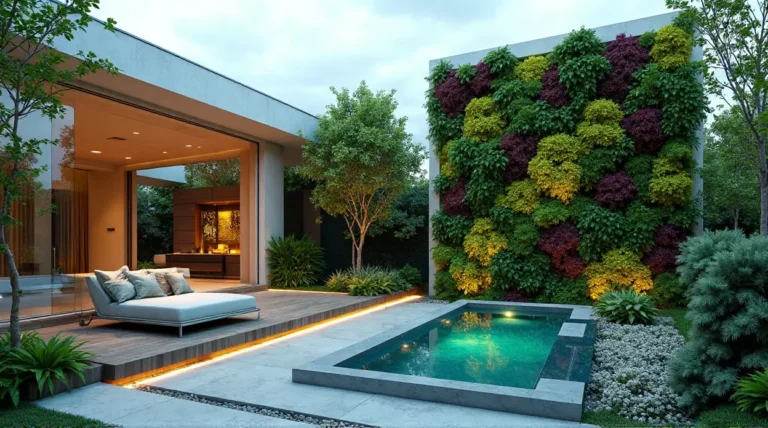
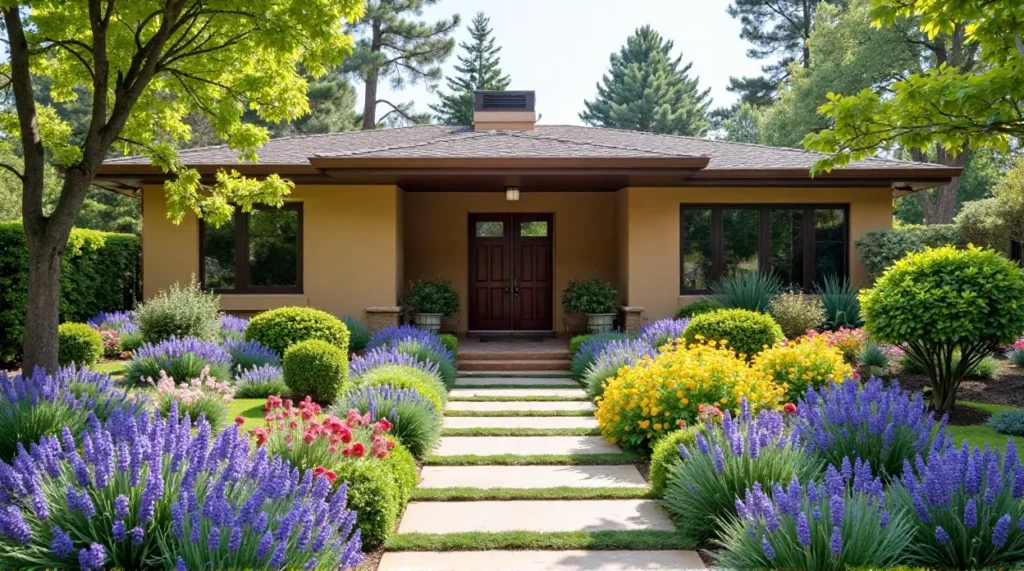
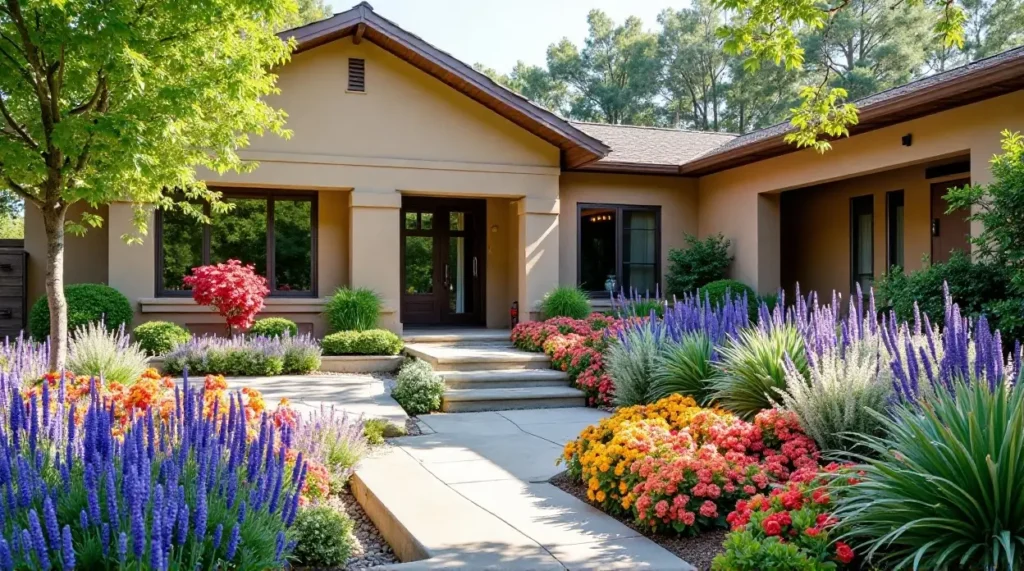
- Contrasting Colors: Pair plants with strikingly different colors to create a bold statement. For instance, pairing deep purple flowers with bright yellow foliage can create a stunning visual contrast that captures attention.
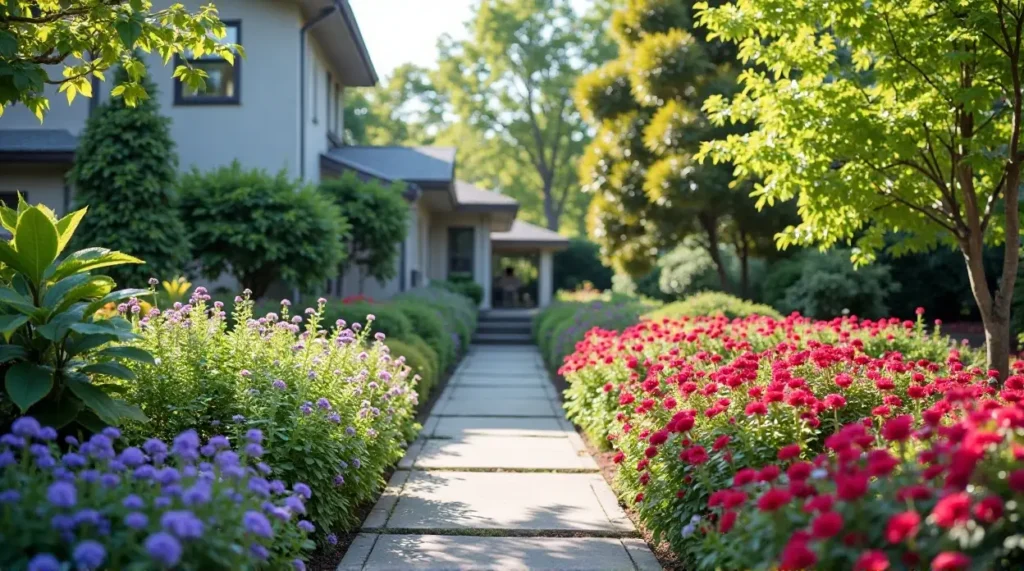
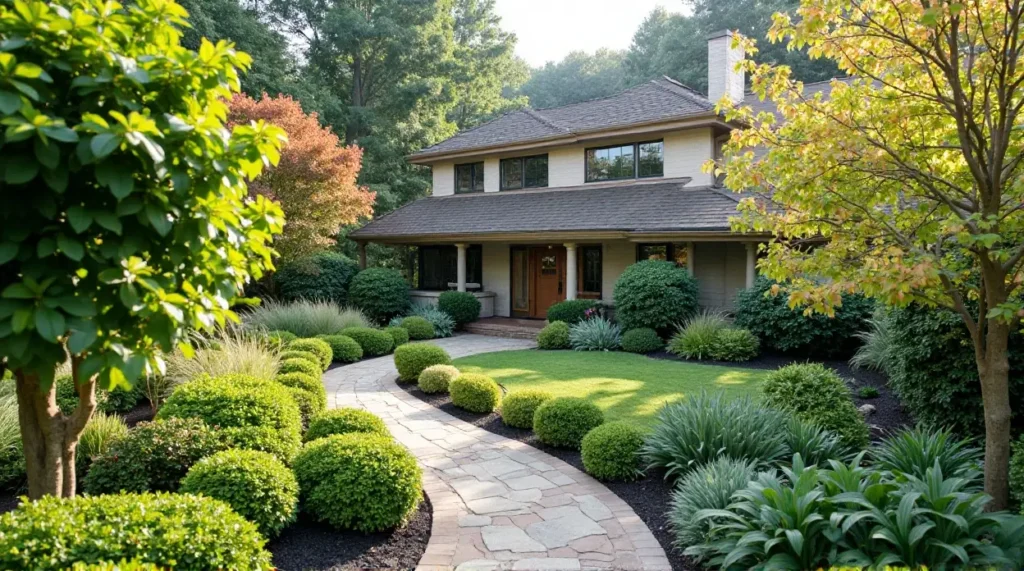
- Layering: Utilize taller plants in the back and shorter plants in the front to create depth. Incorporate varied heights and textures, ensuring that contrasting colors are visible from multiple perspectives.
Harmonious Groupings:
- Analogous Color Schemes: For a relaxing vibe, consider groupings of colors next to each other on the color wheel. For example, shades of blue, blue-green, and green can bring a sense of calm to garden beds or borders.
- Monochromatic Palettes: Opting for different shades and textures within a single color can create a sophisticated and cohesive look. For instance, varying shades of pink or white flowers can add elegance to a romantic garden.
4. Practical Tips for Implementation
Use Color Blocks:
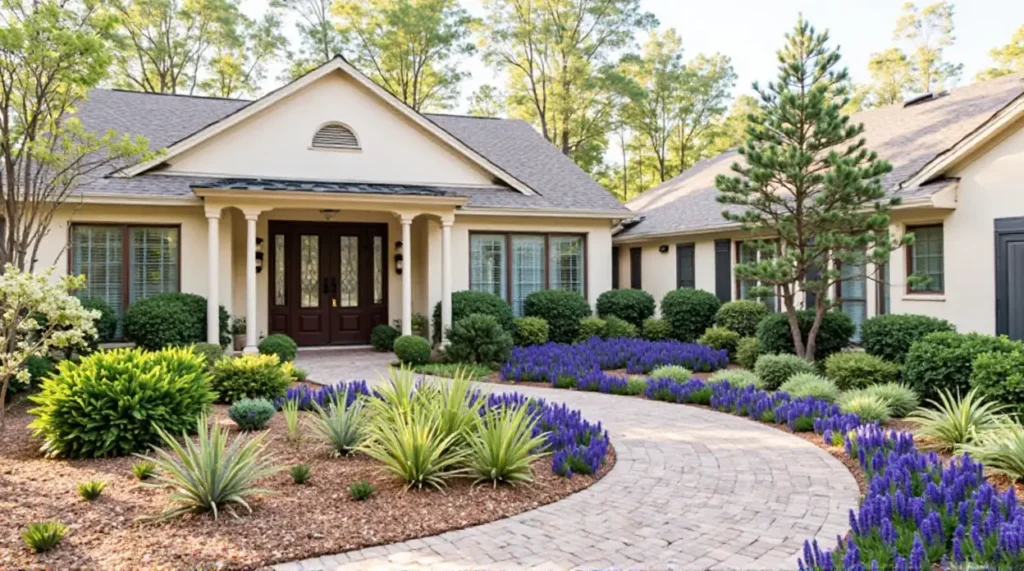
- Consider planting in blocks rather than mixing individual plants. Grouping plants of the same color together creates more impact and allows the colors to shine without competition from other hues.
Incorporate Hardscapes:
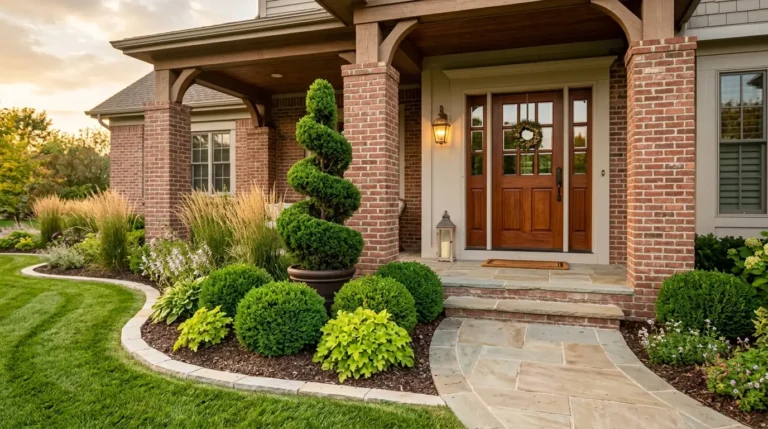
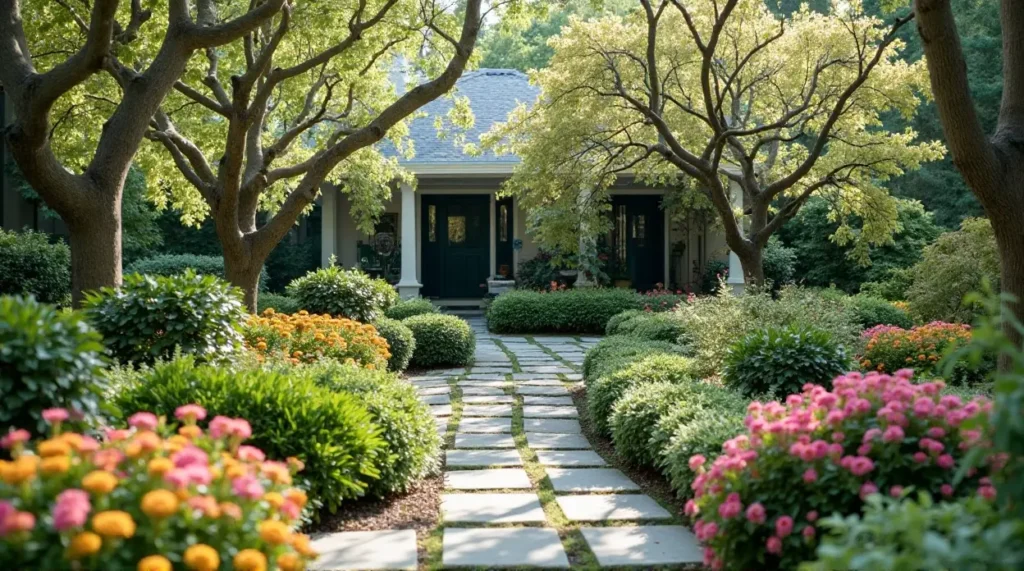
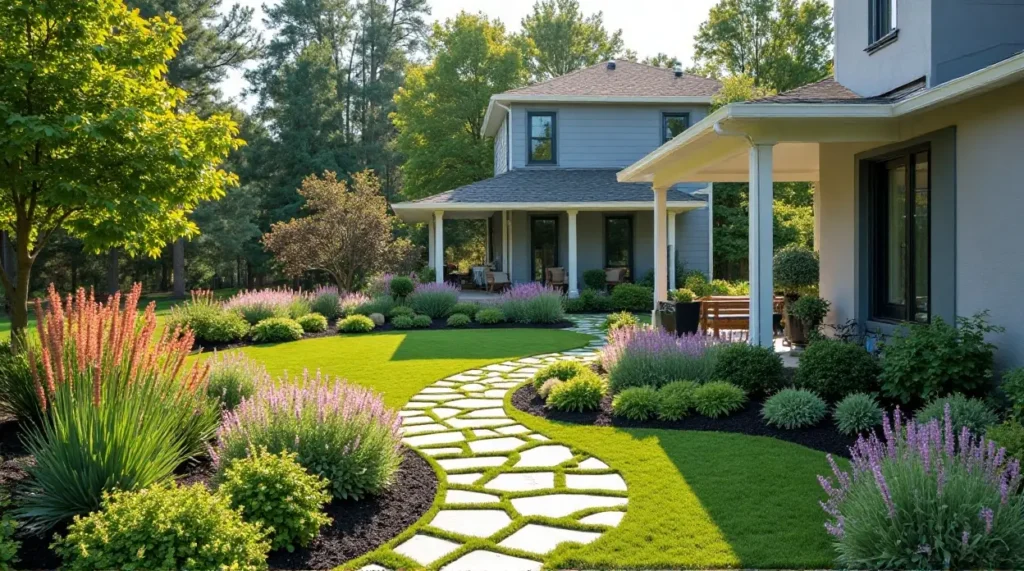
- Don’t forget about hardscape elements like paths, walls, and patios. Materials such as stones and pavers can add another layer of color or texture to your landscape. Choose colors that either contrast with or complement your plant selections.
Seasonal Color Changes:
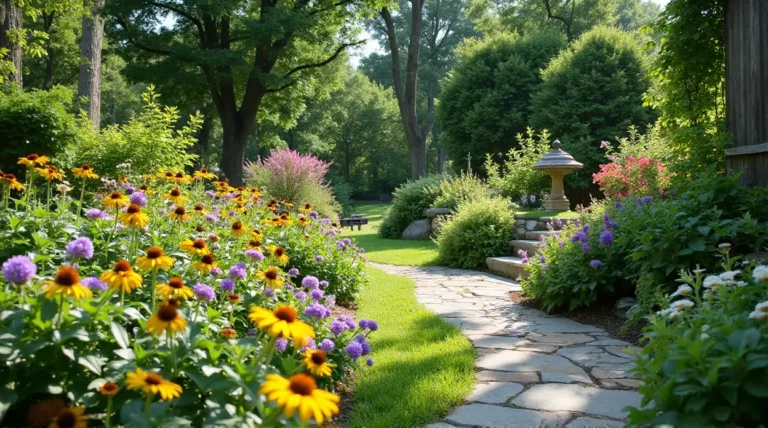
- Choose a variety of plants that bloom at different times to ensure that color is present throughout the seasons. Lobelia in spring, sunflowers in summer, and chrysanthemums in fall can create an evolving landscape palette.
5. Final Thoughts
The art of color in landscaping is a powerful tool that allows homeowners to craft inviting and beautiful outdoor spaces. By understanding color theory and thoughtfully selecting plant and flower combinations, you can create a harmonious relationship between your landscape and your home’s architecture. Whether you aim for vibrant contrasts, soothing analogies, or sophisticated monochromatics, the right color palette has the potential to enhance both the aesthetic appeal and emotional impact of your outdoor environment. Ultimately, a well-considered color scheme not only beautifies your landscape but also enriches your overall living experience.
About the Author