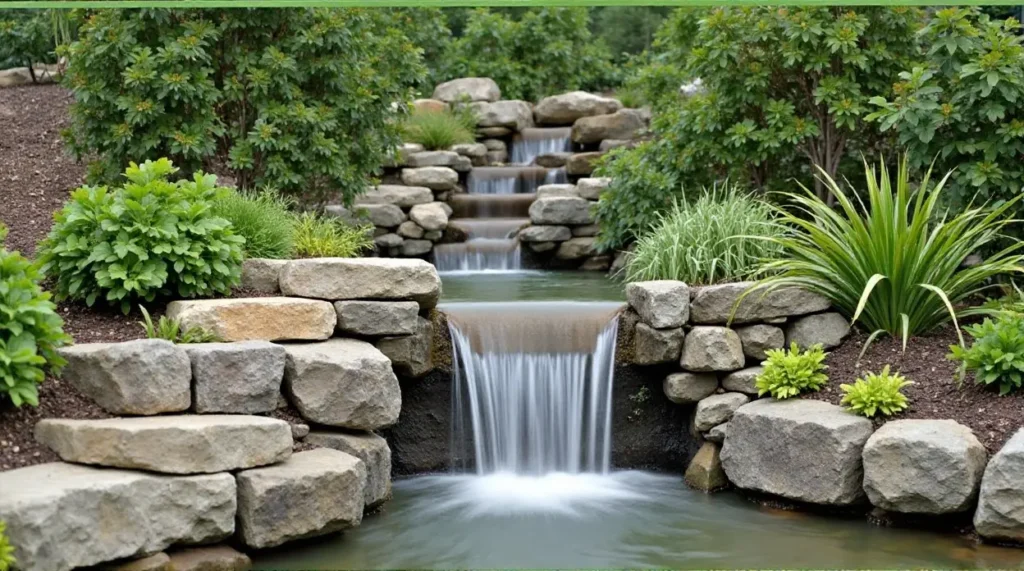
Water features play a vital role in landscape design, infusing outdoor spaces with visual beauty and creating a calming atmosphere. Elements such as ponds, fountains, and waterfalls not only enhance the aesthetic appeal of a home landscape but also contribute to its tranquility and overall ambiance. This guide explores various types of water features, their design considerations, maintenance needs, and the profound impact they have on home landscapes.
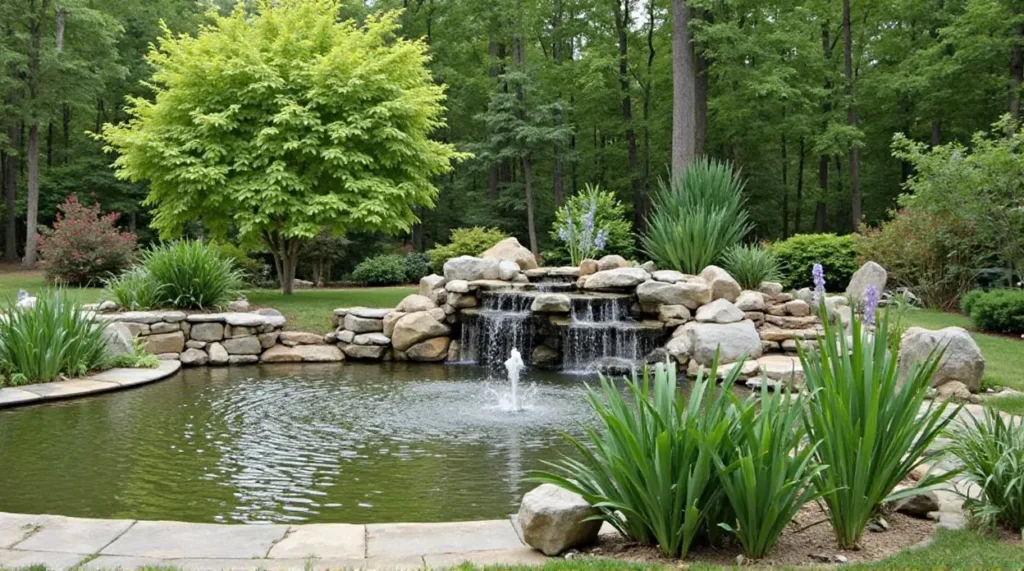
1. Types of Water Features
Ponds:
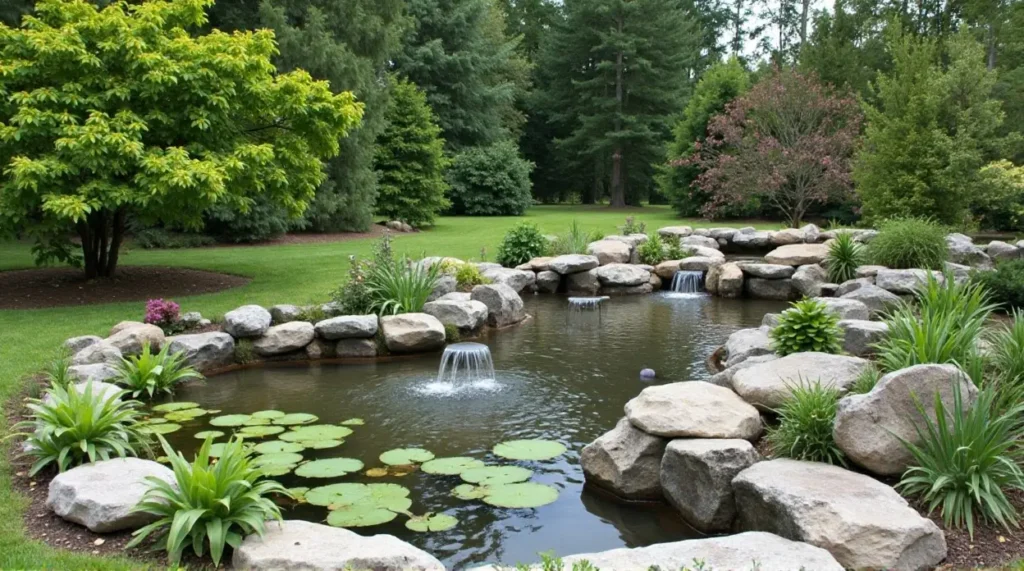
- Ponds can serve as focal points in a landscape, providing habitats for plants and wildlife. They can be naturalistic or formal, depending on the surrounding design elements.
- Incorporating aquatic plants (such as water lilies, lotus, or cattails) can enhance the visual appeal and improve water quality by providing shade and shelter.
Fountains:
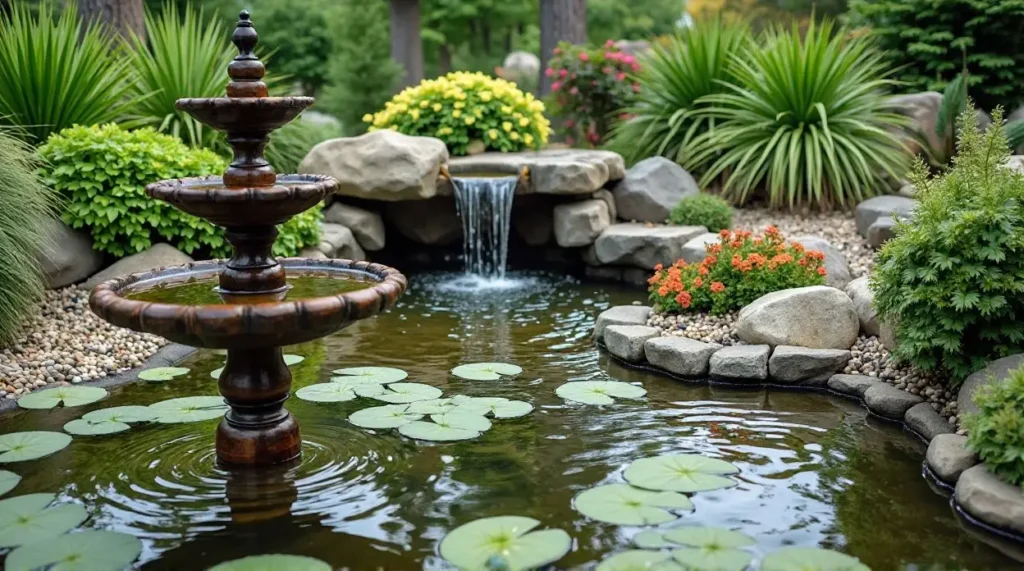
- Fountains come in various styles, from elegant classical designs to modern, minimalist structures. They can function as centerpieces in gardens or serve as subtle accents in smaller spaces.
- The sound of cascading water from fountains creates a soothing ambiance, masking unwanted noise from nearby roads or neighbors.
Waterfalls:
- Waterfalls can be dramatic or gentle, depending on their design. They can be integrated into existing rock formations or crafted as standalone features.
- The sight and sound of falling water promote relaxation and provide a natural aesthetic that enhances the beauty of the surrounding landscape.
2. Design Elements
Placement:
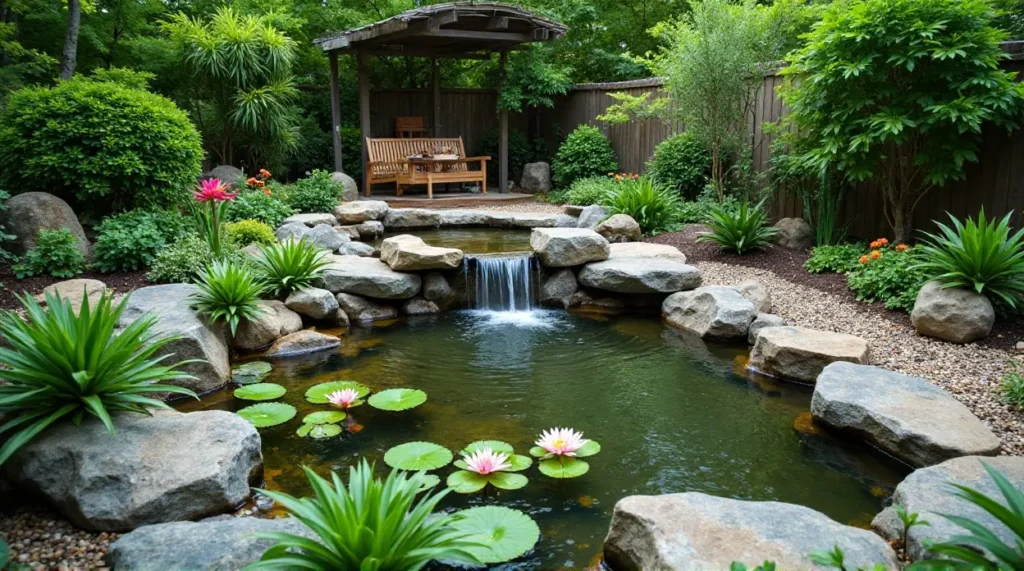
- Consider placing water features in strategic locations where they can be easily viewed and enjoyed from various vantage points, such as patios, windows, or garden paths.
- Positioning them near seating areas encourages relaxation and contemplation, enhancing the overall experience of the outdoor space.
Integration with Landscape:
- Use natural stone, gravel, and native plants to blend water features harmoniously with the surrounding environment. This creates a seamless transition between the feature and the landscape.
- Incorporate lighting to highlight water features at night, enhancing their beauty and extending usability after dark.
Scale and Proportion:
- Ensure that the size of the water feature is appropriate for the space. A large pond in a small garden can overwhelm the landscape, while a small fountain might get lost in a larger area.
- Consider the balance of hardscape, plants, and the water feature itself to create a cohesive design.
3. Maintenance Needs
Cleaning and Water Quality:
- Regular maintenance is essential to keep water features looking their best. This includes removing debris, algae control, and monitoring water levels.
- Consider adding fish (such as koi or goldfish) that can help keep the pond ecosystem balanced, but be aware of their needs and the appropriate water conditions.
Pumps and Filtration:
- Water features that include pumps (like fountains and waterfalls) will require periodic maintenance to ensure they operate efficiently.
- Filtration systems may be necessary for ponds to maintain water clarity and quality, requiring routine checks and cleaning.
Seasonal Care:
- Prepare water features for changing seasons. In winter, protect fountains and pumps from freezing, while in spring, reintroduce aquatic plants and fauna as temperatures rise.
4. Overall Impact on Landscape Aesthetics
Enhancing Serenity:
- The soothing sounds of flowing water provide a sense of peace, inviting relaxation and mindfulness. A well-placed water feature can transform a yard into a serene retreat.
- Water features can also attract wildlife, such as birds and butterflies, enhancing the dynamic and interactive aspect of the landscape.
Creating Focal Points:
- Visual interest is heightened by incorporating diverse types of water features, serving as delightful focal points that draw the eye throughout the landscape.
- The movement and reflection of water create changing visual effects, adding depth and intrigue to garden design.
Environmental Benefits:
- Water features can contribute to biodiversity, providing habitats and resources for various organisms. Their presence can help balance local ecosystems, making them beneficial for pollinators and other wildlife.
- Integrating rain gardens or biofilters as part of a water feature can help manage stormwater, preventing runoff and promoting groundwater recharge.
Conclusion
Water features are transformative elements in landscape design that enhance beauty, tranquility, and ecological health. Ponds, fountains, and waterfalls not only serve as aesthetic focal points but also contribute to a serene and inviting atmosphere in outdoor spaces. With careful consideration of design elements, maintenance, and integration with the surrounding environment, homeowners can create enchanting landscapes that celebrate the calming presence of water. Ultimately, the incorporation of water features fosters a deeper connection between people and nature, enriching the outdoor experience and elevating the overall appeal of any home landscape.
About the Author