Creating a biodiverse haven in your home landscape not only enhances the beauty of your property but also supports local wildlife, contributing to environmental health and sustainability. By thoughtfully designing landscapes that attract a variety of species, homeowners can promote biodiversity while enjoying the myriad benefits that come with it. This guide explores how to create beautiful, wildlife-friendly landscapes that serve as habitats for birds, pollinators, and other local animals.
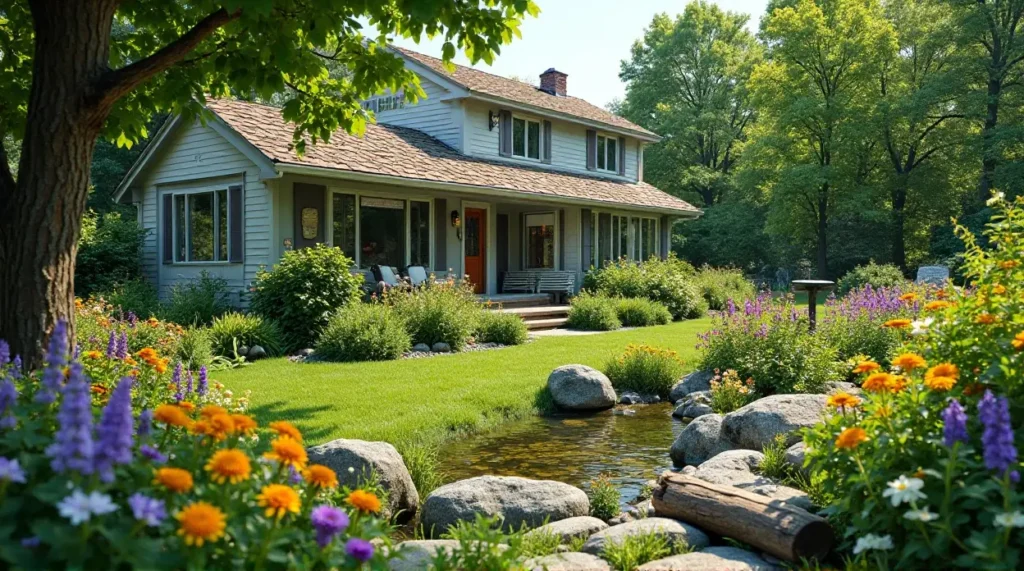
1. The Importance of Biodiversity
Benefits of Biodiversity:
- Ecosystem Services: Biodiverse landscapes support essential ecosystem services such as pollination, pest control, and soil health. Healthy ecosystems are more resilient and better able to withstand environmental changes.
- Aesthetic Appeal: Incorporating wildlife-friendly elements can enhance the visual appeal of your landscape, creating dynamic spaces that change with the seasons and the activity of wildlife.
Supporting Local Wildlife:
- By designing landscapes that meet the habitat needs of various species, homeowners can play a crucial role in conservation efforts. Providing food, shelter, and water sources supports wildlife populations and encourages ecological balance.
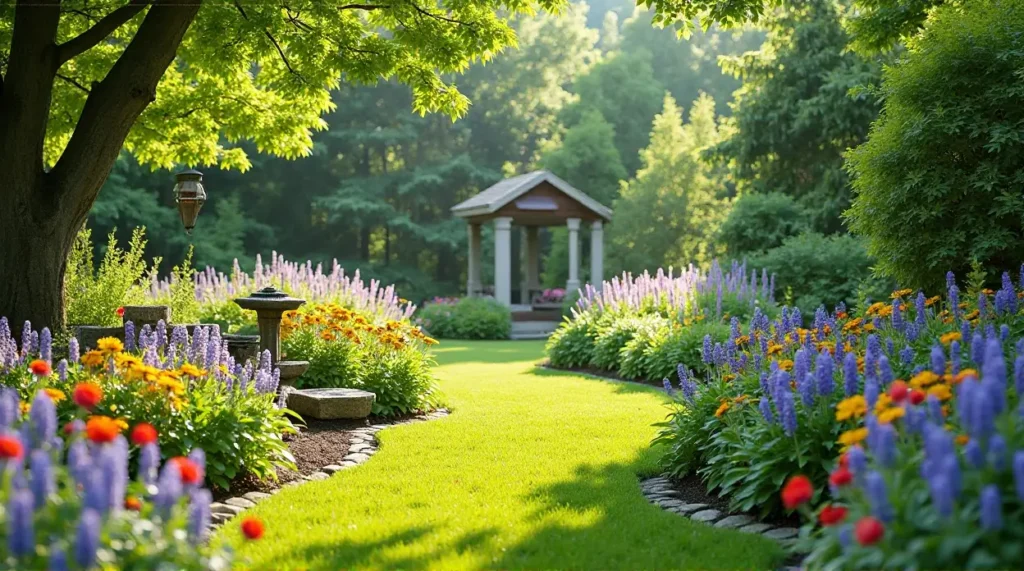
2. Designing Pollinator Gardens
Plant Selection:
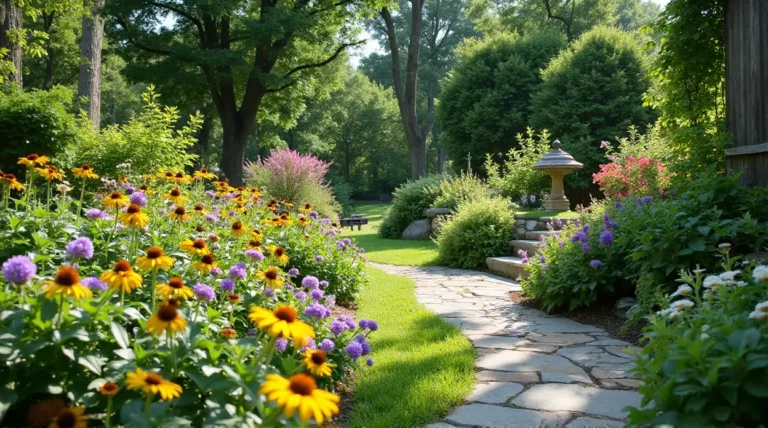
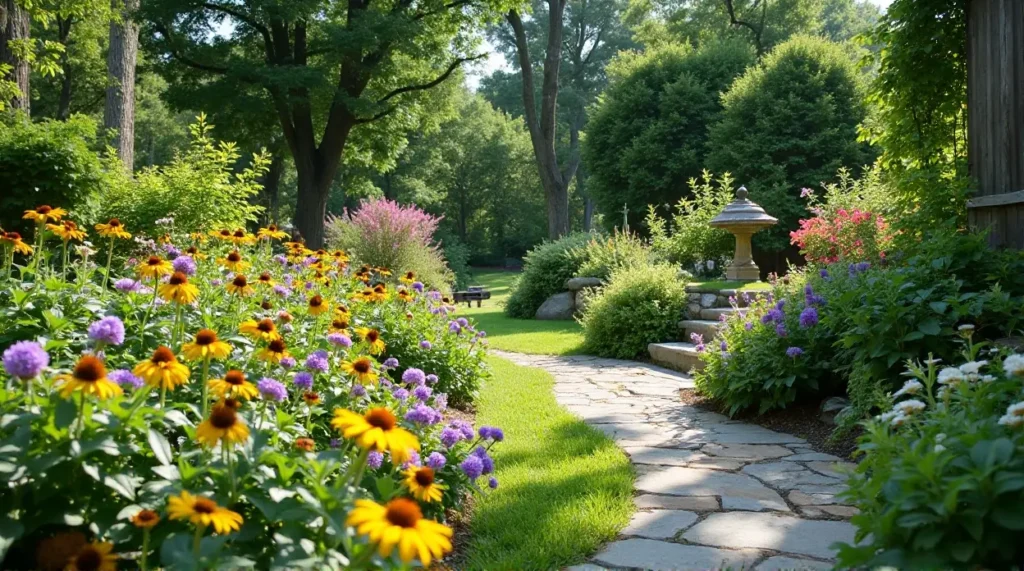
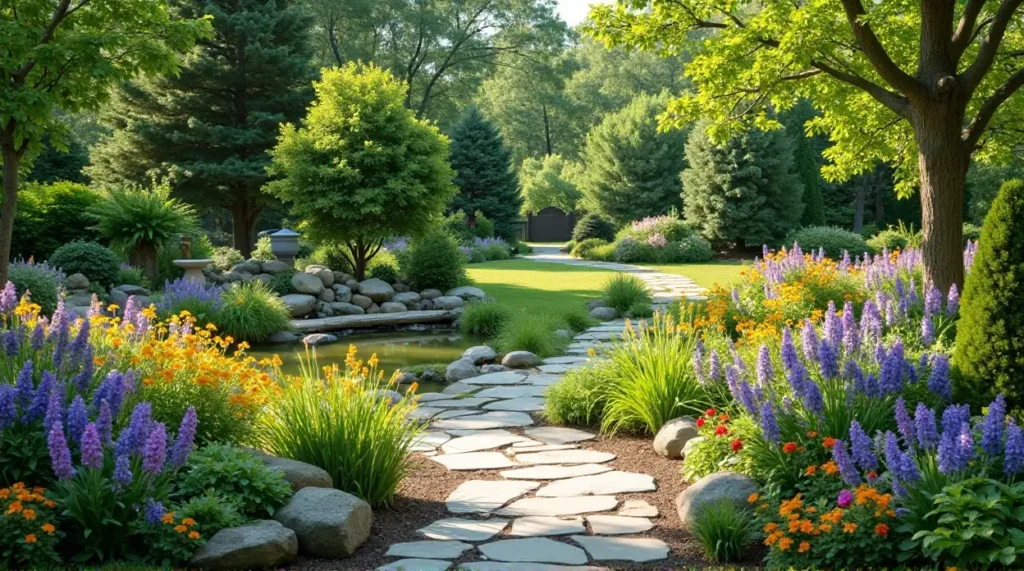
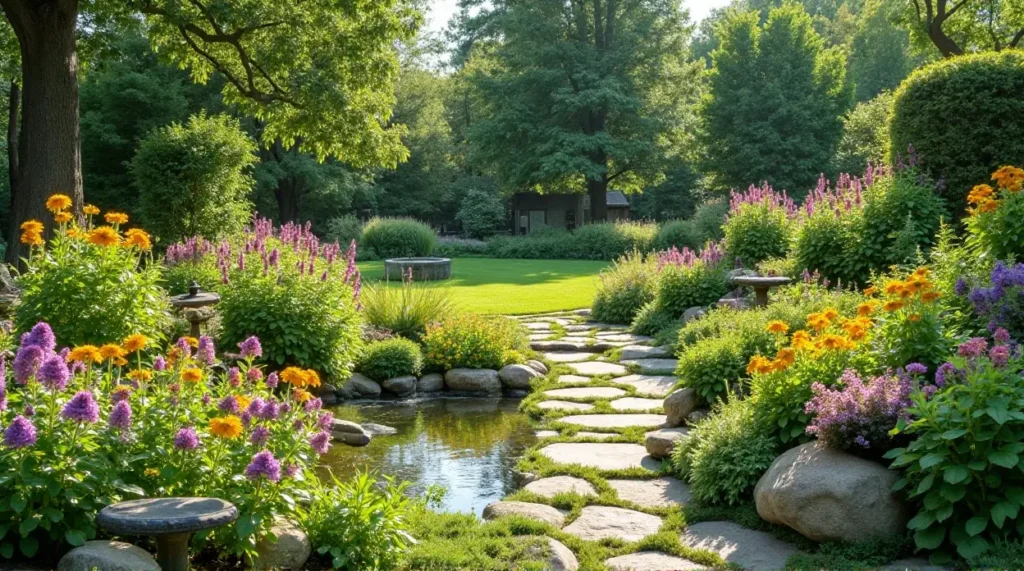
- Native Plants: Choose native flowering plants that provide nectar and pollen for bees, butterflies, and other pollinators. Native species are well-suited to the local environment, requiring less water and maintenance while attracting local wildlife.
- Diversity of Blooms: Select a variety of plants that bloom at different times throughout the growing season to provide a continuous food source for pollinators. Aim for a mix of colors, heights, and textures for visual interest.
Creating the Right Environment:
- Site Selection: Choose sunny, sheltered locations for your pollinator gardens, as many pollinators thrive in warm, sunny conditions. Avoid using pesticides, which can be harmful to beneficial insects.
- Water Sources: Incorporate shallow water sources like birdbaths or small ponds to provide hydration for pollinators and other wildlife.
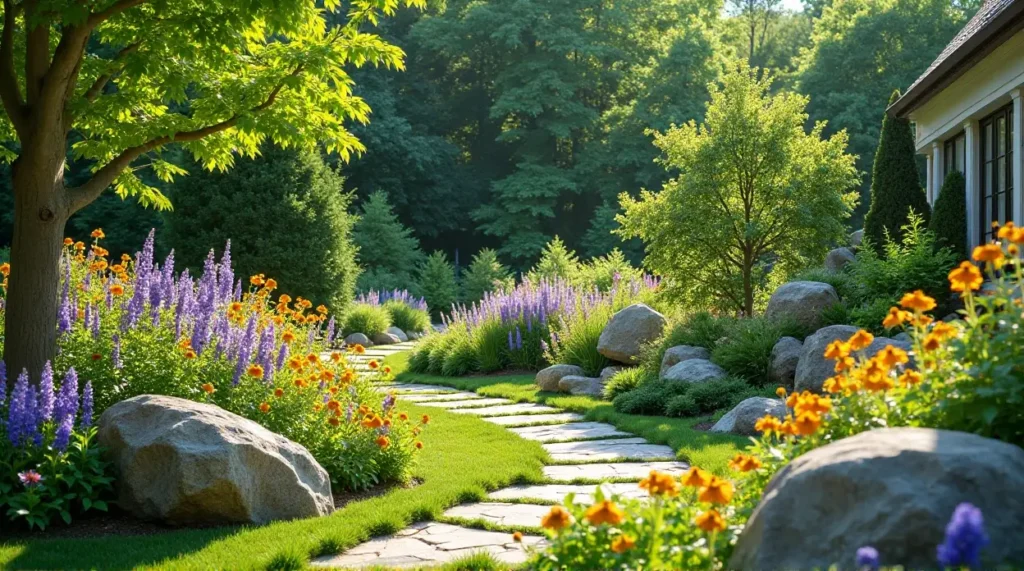
3. Designing Bird-Friendly Spaces
Shelter and Nesting:
- Native Trees and Shrubs: Include native trees and shrubs that provide nesting sites and shelter for birds. Dense foliage can offer protection from predators and harsh weather conditions.
- Nest Boxes: Consider installing birdhouses or nesting boxes that cater to local bird species. Place them in quiet areas, away from high human traffic, and ensure they are at appropriate heights for different species.
Feeding Stations:
- Bird Feeders and Bathing Areas: Install bird feeders that provide a variety of seeds and suet, along with birdbaths for drinking and bathing. Regularly clean and replenish these to attract a greater variety of birds.
- Winter Interest: Incorporate plants that produce berries in the winter months (e.g., holly or winterberry) to provide food sources when natural resources are scarce.
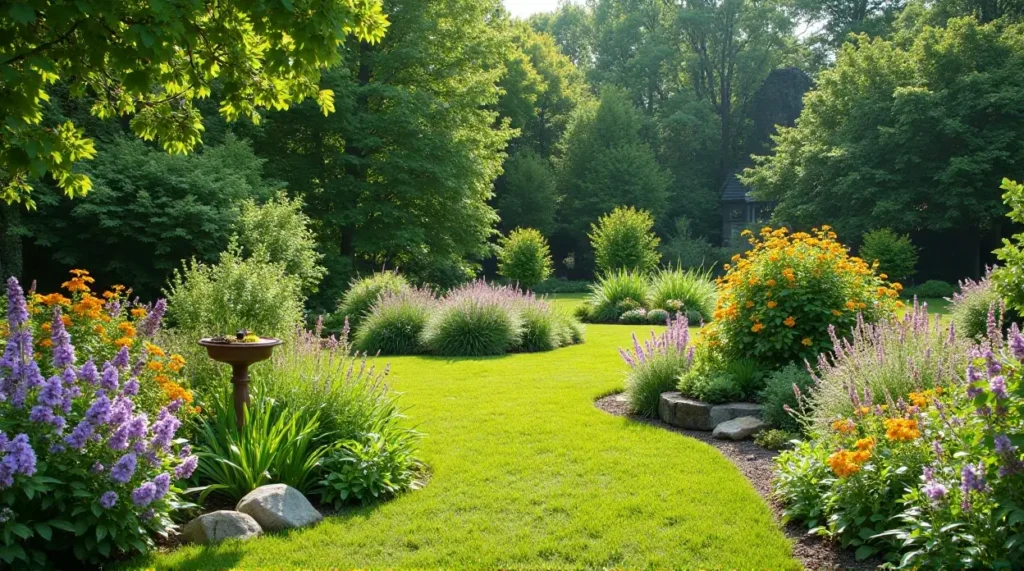
4. Incorporating Natural Elements
Habitat Features:
- Rock Piles and Logs: Create habitat features such as rock piles, brush piles, or log habitats to attract beneficial insects, small mammals, and reptiles. These features provide shelter and breeding grounds while promoting biodiversity.
- Wetland and Water Features: If space allows, consider creating a small wetland, pond, or rain garden that can attract amphibians and a variety of birds while helping manage stormwater runoff.
Natural Landscaping Techniques:
- Minimal Lawn Area: Reduce the amount of traditional lawn in your landscape, replacing it with native grasses or wildflower meadows that require less maintenance and support more wildlife.
- Sustainable Practices: Opt for organic gardening practices to minimize chemical use. This not only benefits wildlife but also promotes healthier soil and plant growth.
5. Final Thoughts
Incorporating wildlife into home landscapes is a rewarding endeavor that benefits both the environment and the homeowner. By designing elegant outdoor spaces that attract and support local wildlife, such as pollinators and birds, homeowners can create vibrant ecosystems that enhance their properties’ beauty and functionality. With the right plant selection, habitat features, and mindful gardening practices, any landscape can transform into a biodiverse haven that provides endless enjoyment and promotes ecological sustainability. Ultimately, fostering a love for nature and wildlife in home landscapes not only enriches our lives but also contributes to the health of our planet.
About the Author