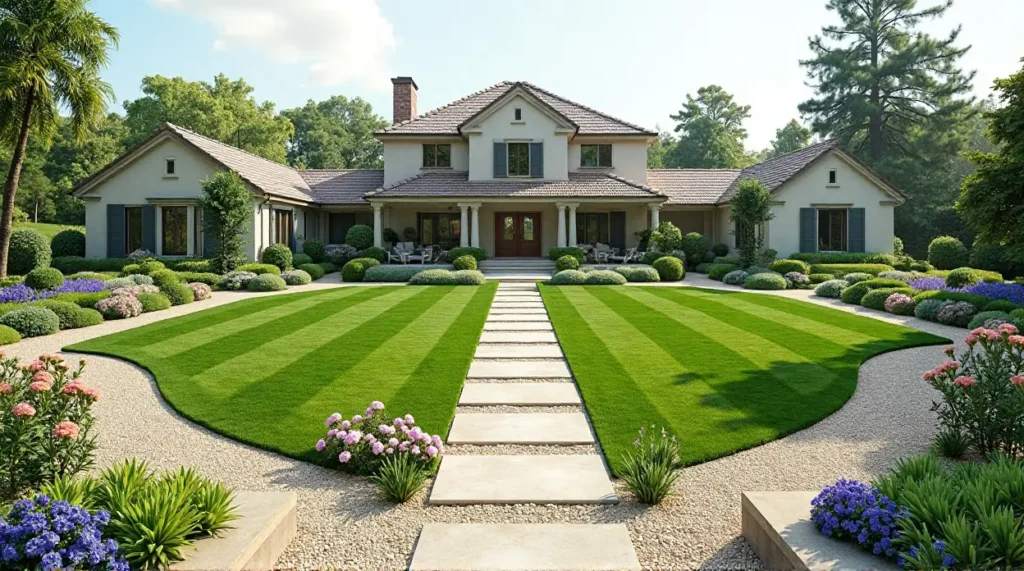
The relationship between architecture and landscaping is crucial in achieving a cohesive and harmonious home environment. Architectural styles significantly influence landscape design, impacting how outdoor spaces are shaped, styled, and utilized. A well-aligned partnership between a home’s design and its surrounding landscape can enhance aesthetic appeal, functionality, and overall well-being. This article explores this intersection, providing insights and case studies that illustrate the importance of synergy between building design and outdoor aesthetics.
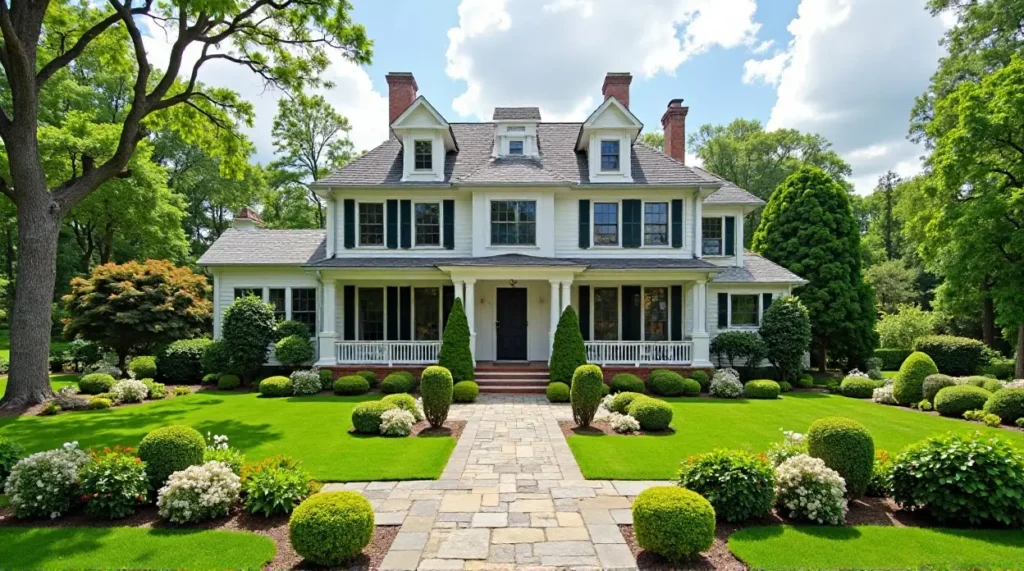
1. Architectural Styles and Their Influence on Landscaping
Traditional Architecture:
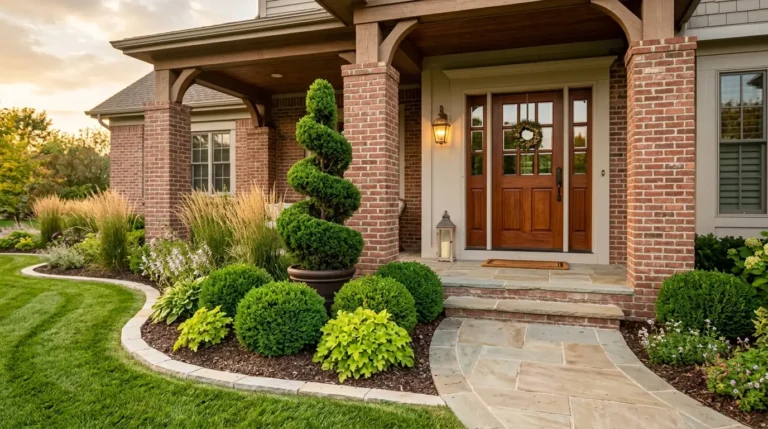
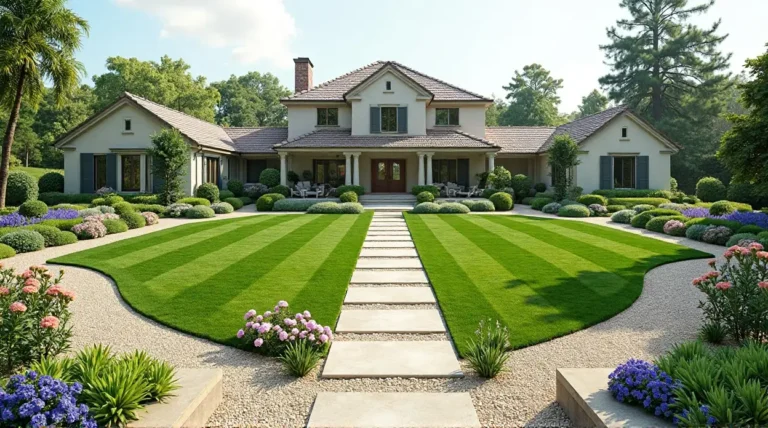
- Homes reflecting traditional designs, such as Colonial or Victorian styles, often feature formal gardens with symmetrical layouts, manicured lawns, and established pathways. The landscaping typically includes a balanced mix of flowering plants, shrubs, and trees that complement the architectural details of the home.
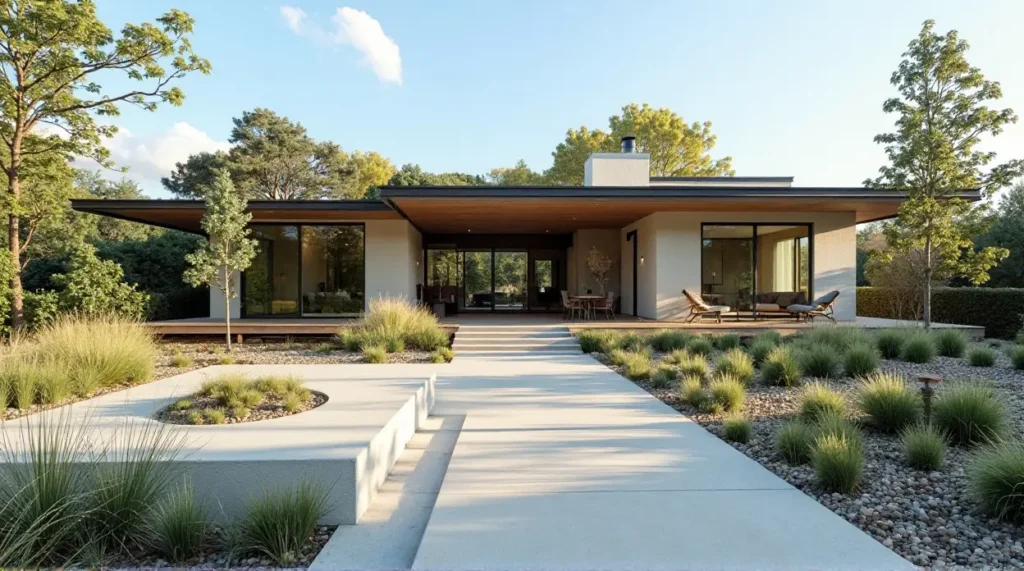
Modern and Contemporary Architecture:
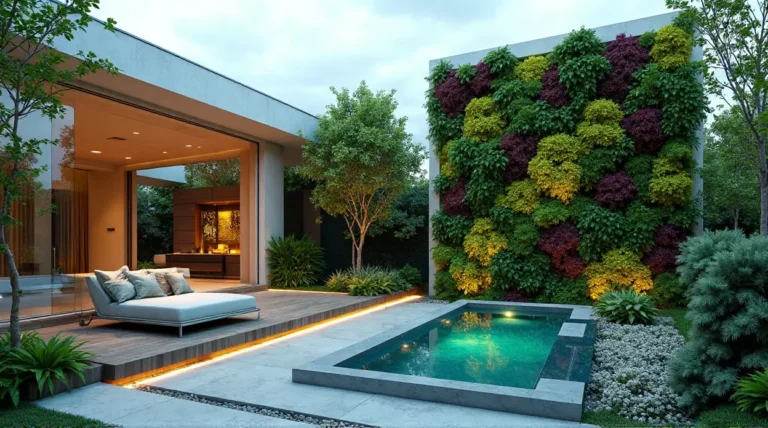
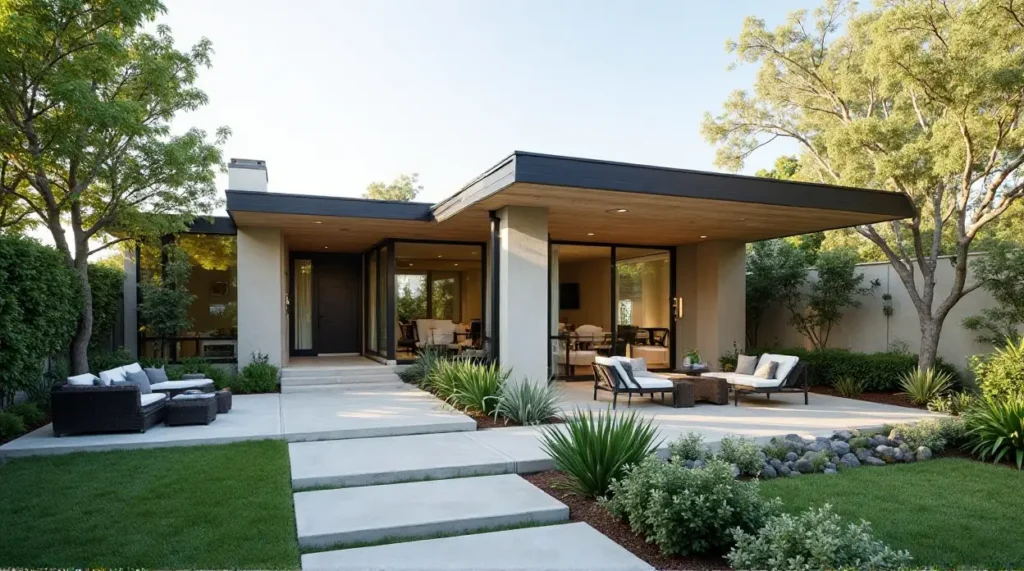
- In modern homes, landscaping often embraces minimalism, with clean lines and a focus on integrating natural elements. Low-maintenance planting schemes with native plants, as well as hardscape elements like concrete patios and wooden decks, are common. This style emphasizes harmony between indoor and outdoor living spaces.
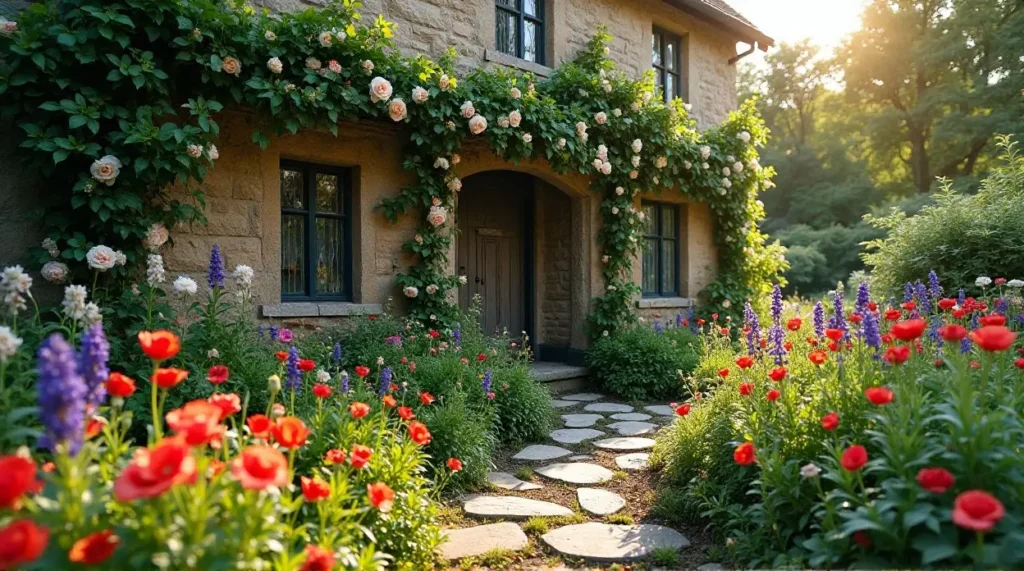
Rustic and Cottage Architecture:
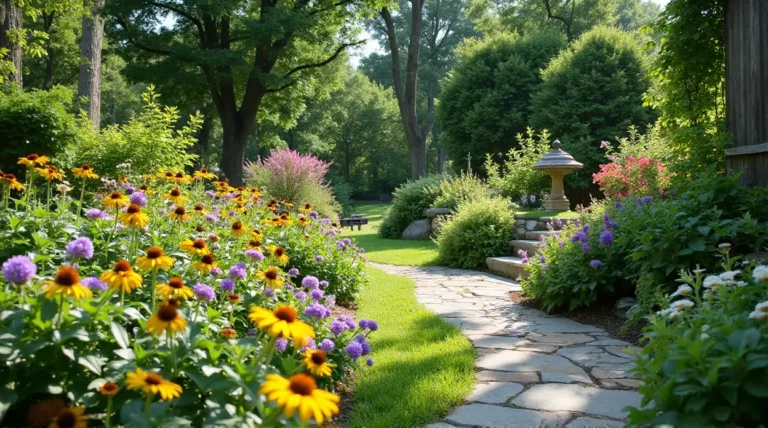
- Cottages and rustic homes are often accompanied by informal and whimsical gardens that reflect a more natural aesthetic. Curved pathways, wildflower meadows, and the use of local stone in hardscaping create an inviting environment that matches the charm of the architecture.
2. Case Studies Illustrating Architectural and Landscape Alignment
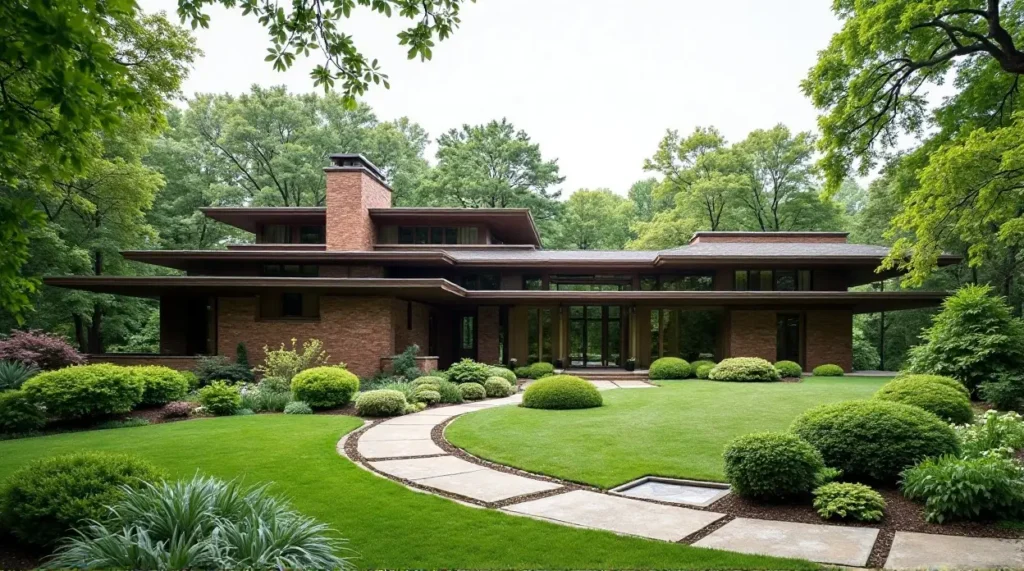
Case Study 1: The Frank Lloyd Wright Home
- Architecture: The Prairie style homes designed by Frank Lloyd Wright emphasize horizontal lines, integration with nature, and open floor plans that focus on the natural environment.
- Landscaping: The surrounding landscapes typically feature native plants, terracing, and natural materials that mirror the home’s organic architecture. For instance, Wright’s Robie House in Chicago showcases how the surrounding flora complements the home’s linear forms and integrates seamlessly with the natural landscape.
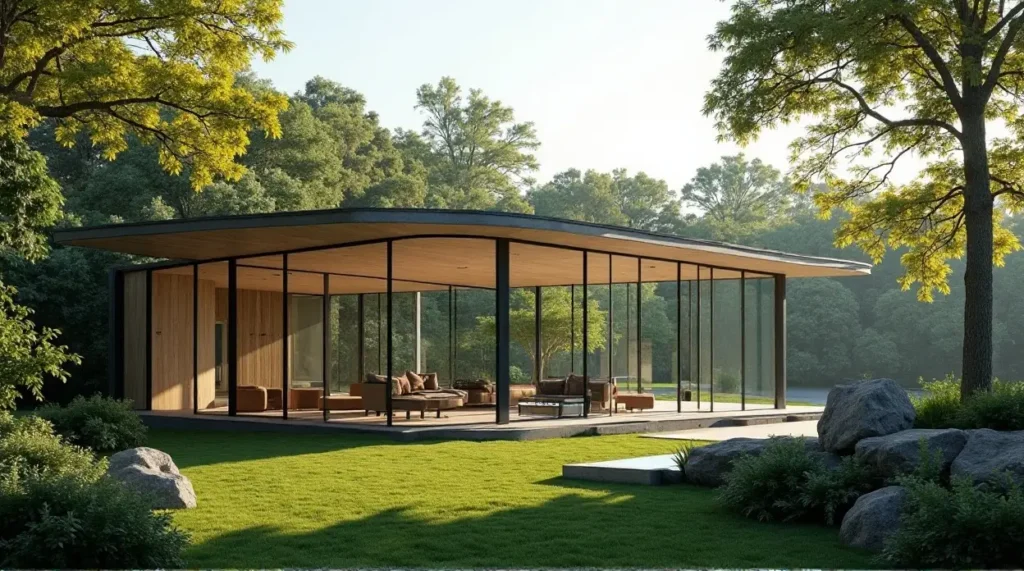
Case Study 2: The Modernist Glass House
- Architecture: Philip Johnson’s Glass House exemplifies modernist architecture with its use of glass walls, open spaces, and a connection to the surrounding environment.
- Landscaping: The landscape design consists of carefully curated views and landscaped gardens that enhance the transparency of the home. Featuring a mix of shrubs, trees, and sculptures, the landscape maintains sightlines while framing the beauty of the property and the architectural experience.
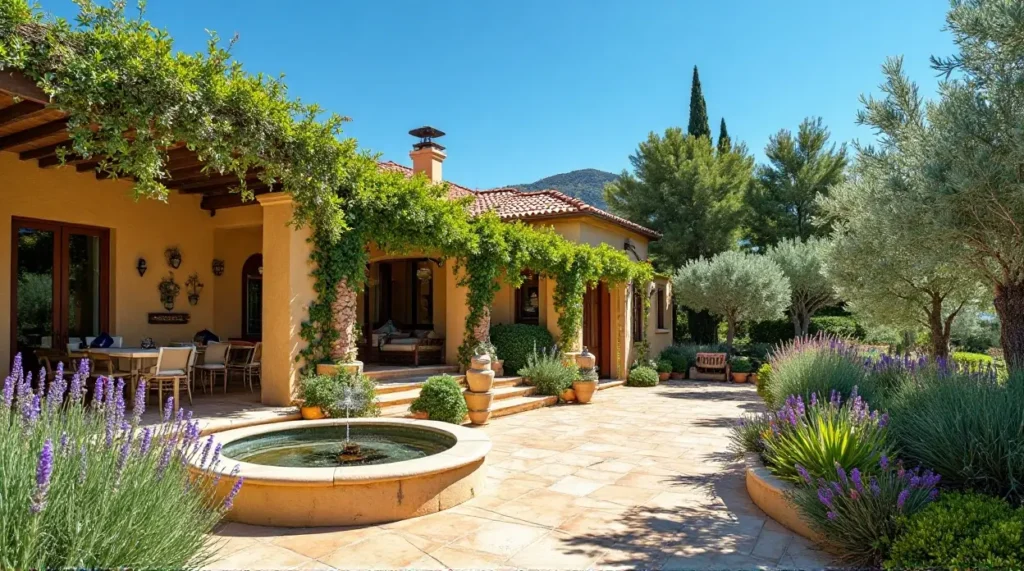
Case Study 3: The Mediterranean Villa
- Architecture: Mediterranean-style villas are characterized by stucco exteriors, terracotta roofs, and expansive outdoor living areas.
- Landscaping: These homes are often surrounded by lush gardens filled with olive trees, lavender, and citrus, contributing to the relaxed, vibrant atmosphere. The interplay of pergolas, tiled patios, and ornamental features complements the architecture beautifully, creating a tranquil outdoor oasis.
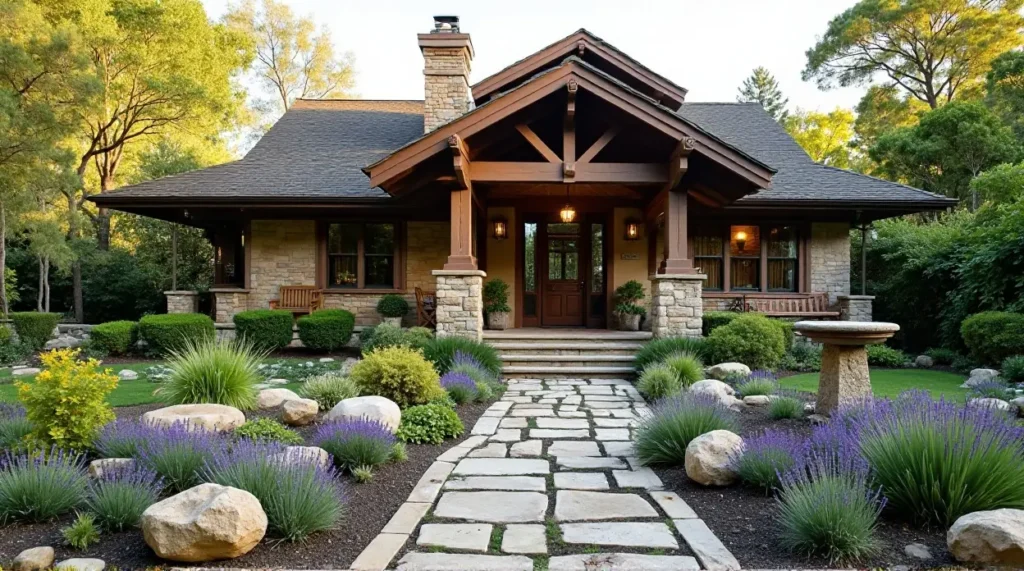
Case Study 4: The Craftsman Bungalow
- Architecture: Craftsman bungalows are known for their low-pitched roofs, exposed beams, and extensive use of wood.
- Landscaping: Landscapes featuring Craftsman homes often include intricate stone pathways, garden beds with native and fragrant plants, and artistic boulders that echo the craftsmanship of the architecture. For instance, the Gamble House in Pasadena showcases precisely this harmony, where the landscape feels like an extension of the home’s artistry.
3. Importance of Alignment
Enhanced Aesthetic Appeal:
- A landscape that complements the architectural style of a home enhances its visual appeal and creates a unified appearance. This attention to detail can significantly elevate property value.
Functional Outdoor Spaces:
- Well-designed landscapes extend the usable space of a home, providing areas for relaxation, recreation, and entertainment. Aligning outdoor design with architectural intention helps create functional spaces that serve the homeowner’s lifestyle.
Sustainability and Environmental Integration:
- Thoughtfully designed landscapes can mitigate environmental impacts, conserve resources, and promote biodiversity. Using native plants and sustainable practices in landscaping, in alignment with the architecture, fosters ecological balance and reduces maintenance needs.
Conclusion
The intersection of architecture and landscaping is a dynamic relationship that plays a crucial role in creating harmonious home environments. By understanding and implementing landscaping that aligns with architectural styles, homeowners can achieve sustainable, functional, and aesthetically pleasing outdoor spaces. The case studies exemplify how architectural designs influence landscaping choices, highlighting the importance of this relationship. In today’s world, where environmental considerations and aesthetic appeal are paramount, cultivating this synergy will lead to the creation of exceptional living environments that truly reflect the beauty of both nature and architecture.
About the Author