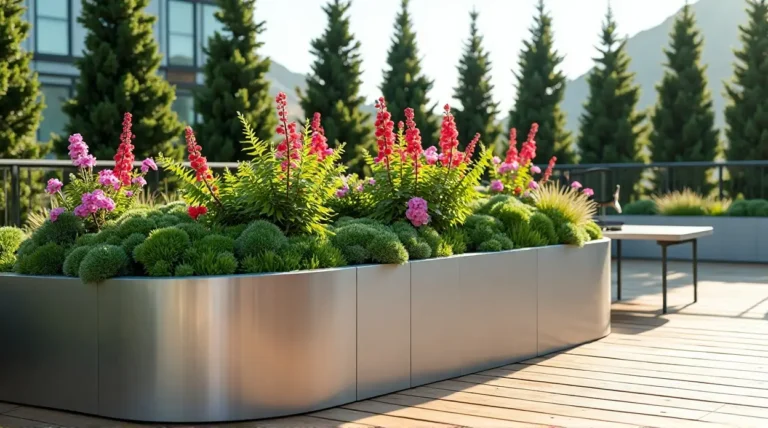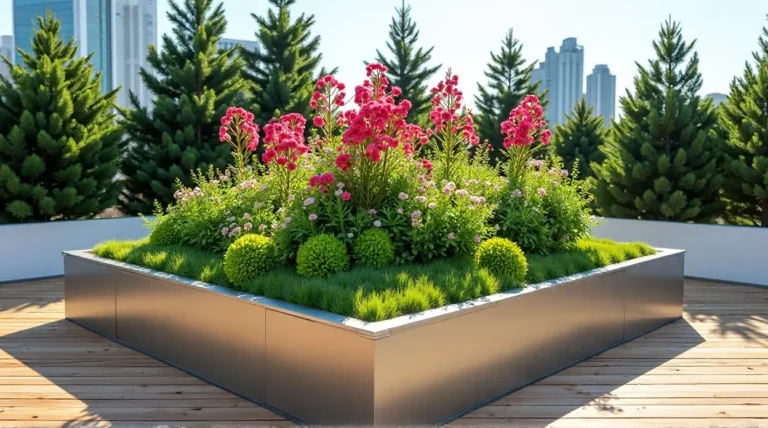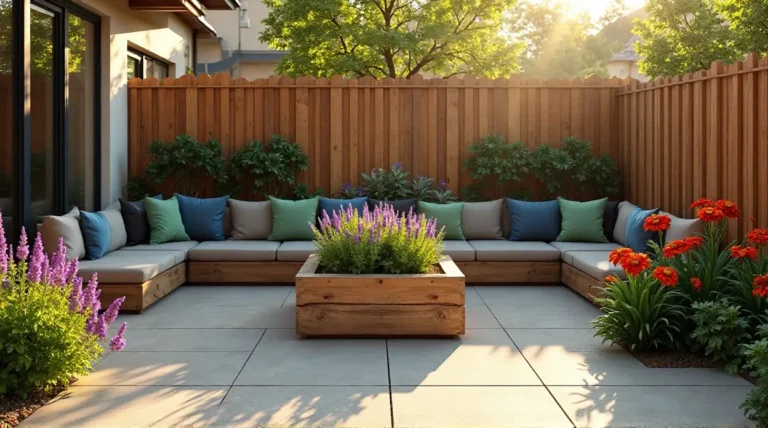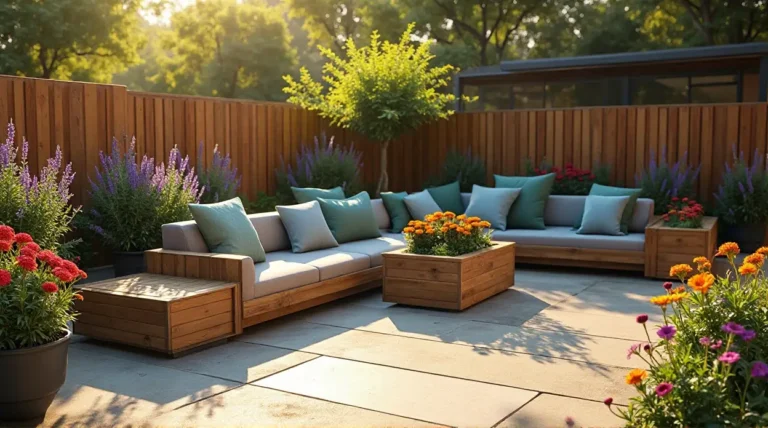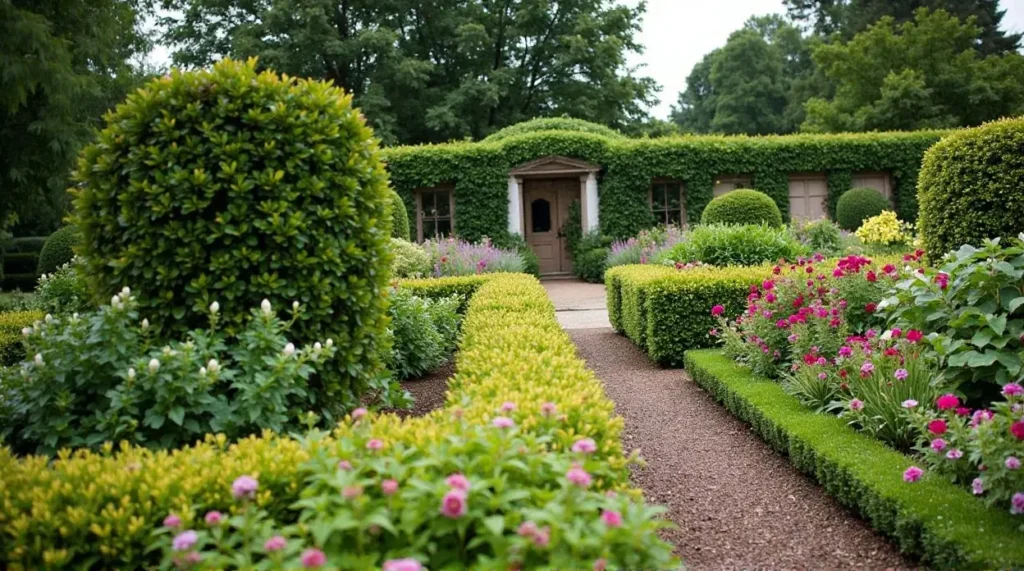
Low hedging is often an overlooked yet crucial element in the design of formal gardens. These neatly trimmed borders not only define spaces but also enhance the visual appeal of the landscape while offering a lush backdrop for vibrant floral displays. Here, we delve into the significance of low hedging and explore various plant options that can create tranquility and beauty in your formal garden.
The Importance of Low Hedging in Formal Gardens
1. Defining Spaces
Low hedges act as natural dividers that delineate different areas within a formal garden. They help to create distinct zones for various functions, such as seating areas, pathways, or flower beds, providing structure to the landscape. This segmentation enhances the organization of the garden, making it easy for visitors to navigate while maintaining a clean and polished appearance.
2. Enhancing Visual Appeal
Low hedging adds depth and dimension to garden designs. Their rich greenery serves as a backdrop that accentuates the brilliance of flowering plants and ornamental features. By framing flowers and other garden elements, low hedges draw attention to specific areas and create a cohesive design that feels intentional and well thought out.
3. Providing a Sense of Serenity
The crisp lines and uniformity of low hedging contribute to the serene atmosphere often sought in formal gardens. The rhythmic patterns established by these hedges evoke feelings of tranquility and balance, enhancing the garden’s overall aesthetic. Visitors can feel more immersed in nature and are likely to enjoy the peaceful environment that low hedging creates.
Plant Options for Low Hedging
Selecting the right plants for low hedging is crucial to achieving the desired look and function in your formal garden. Here are some popular options:
1. Boxwood (Buxus spp.)
Description: Boxwood is a classic choice for low hedging, prized for its dense foliage and ability to be shaped into neat, formal borders. Its small, evergreen leaves maintain color year-round, and it responds well to regular trimming.
Height: Typically kept at 1 to 3 feet.
Design Tip:
Use boxwood to form straight lines or geometric shapes to enhance the symmetry characteristic of formal gardens.
2. Lavender (Lavandula spp.)
Description: Lavender not only offers a fragrant, sensory experience but also serves as a beautiful low hedge. Its silvery-green foliage and purple flowers provide color and texture while attracting pollinators.
Height: Usually maintained at around 2 feet.
Design Tip:
Plant lavender in full sun along walkways or borders to create a delightful aromatic experience for garden visitors.
3. Euonymus (Euonymus spp.)
Description: Euonymus is available in various species, some of which offer vibrant variegated leaves that can lighten up garden corners. This shrub is low-maintenance and can be shaped easily.
Height: Typically kept at 1 to 3 feet, depending on the variety.
Design Tip:
Combine different types of euonymus to create an intriguing color palette, enhancing visual interest in your low hedging.
4. Heuchera (Heuchera spp.)
Description: Often referred to as coral bells, heucheras are known for their colorful foliage, ranging from deep burgundy to bright lime green. Although smaller, they can form a lovely low edging that adds vibrant color.
Height: Generally maintained at around 1 to 2 feet.
Design Tip:
Use heuchera as a low hedge along beds filled with taller flowering plants to create a layered effect in your garden display.
5. Dwarf Barberry (Berberis thunbergii ‘Concorde’)
Description: Dwarf barberry is known for its colorful foliage that changes with the seasons—ranging from reddish-purple in spring to vibrant yellow in fall. Its thorny structure also offers natural deterrents against pests.
Height: Maintained at around 2 feet.
Design Tip:
Incorporate dwarf barberry along pathways to add both beauty and a degree of security, warding off potential intruders.
Creating Visual Harmony
To achieve visual harmony in your formal garden, consider layering low hedging with taller plants and vibrant floral displays. The contrast between lush greenery and colorful blooms will create depth and texture, allowing the eye to travel through the space and appreciate its intricacies.
Additionally, strategic placement of low hedges around focal points, such as sculptures or seating areas, will draw attention to these features while providing a serene backdrop that enhances the overall aesthetic.
Conclusion
Low hedging plays an invaluable role in defining spaces, enhancing visual appeal, and creating a sense of serenity within formal gardens. By selecting appropriate plant options like boxwood, lavender, euonymus, heuchera, and dwarf barberry, gardeners can craft harmonious landscapes that serve as beautiful settings for diverse floral displays. Embracing the elegance of low hedging not only elevates the garden’s aesthetic but also contributes to a peaceful environment where nature and design coexist beautifully.
About the Author