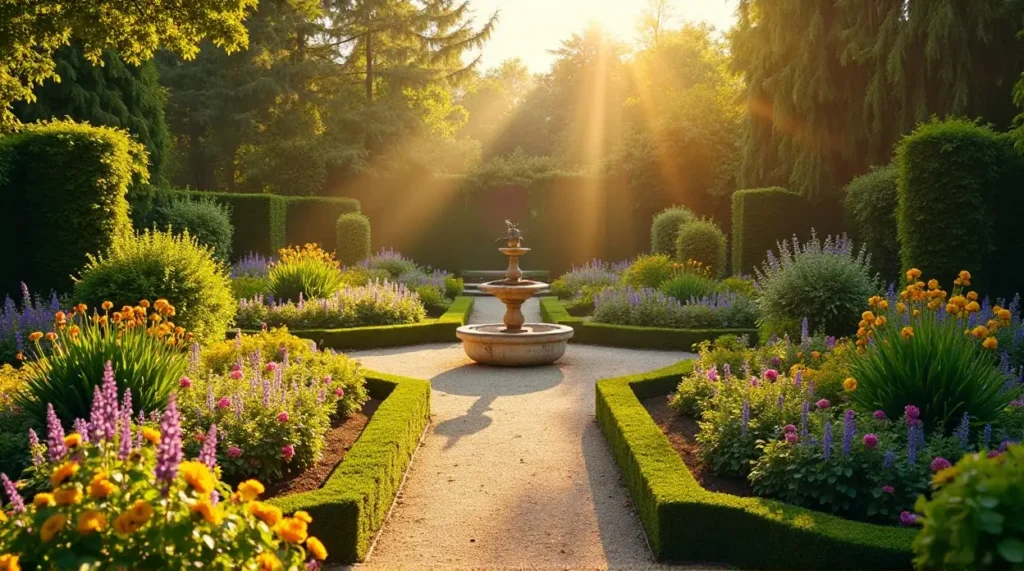
Sunlight is one of the most essential elements in garden design, significantly influencing plant selection, growth patterns, and overall garden aesthetics. Understanding how to maximize sun exposure is crucial for creating a thriving garden that bursts with color and vitality. In this discussion, we will explore the importance of sunlight in garden design and offer insights on positioning a formal garden to create an inviting sunlit sanctuary.
The Role of Sunlight in Plant Selection and Growth
1. Understanding Sunlight Requirements
Different plants have varying sunlight requirements, generally categorized into three groups:
- Full Sun: These plants thrive in direct sunlight for six or more hours daily. Examples include roses, sunflowers, and many herbs.
- Partial Shade: Plants in this category prefer around three to six hours of sunlight, often enjoying dappled sun. Options include hydrangeas and ferns.
- Full Shade: These plants require less than three hours of direct sunlight and can thrive in low-light conditions. Examples include hostas and shade-tolerant groundcovers.
Selecting the right plants based on their sunlight needs ensures robust growth, flowering, and overall health.
Design Tip:
When designing a formal garden, categorize plants according to their light requirements. This way, you can create zones that cater to each plant’s needs, ensuring a harmonious blend of texture and color.
2. Positioning Your Formal Garden for Maximum Sun Exposure
Strategically positioning your formal garden is critical for optimizing sun exposure and creating an inviting, colorful space. Here are some factors to consider:
A. Garden Orientation
- North-South Orientation: Aligning your garden along a north-south axis allows for optimal sunlight throughout the day. This orientation minimizes shadows from nearby structures and maximizes sun exposure, making it ideal for flowering plants that thrive in full sun.
- Consider Surrounding Structures: When positioning your garden, take note of nearby trees, buildings, or fences that may cast shadows. Aim to place your garden in a location that receives ample sunlight throughout the day, avoiding areas that may limit exposure.
B. Elevated Spaces
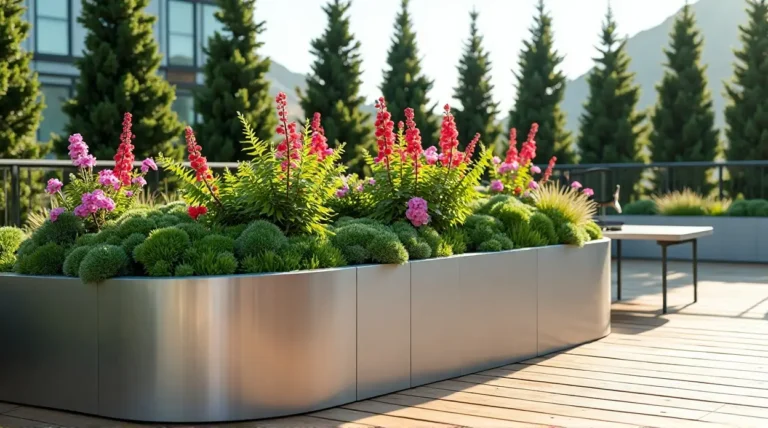
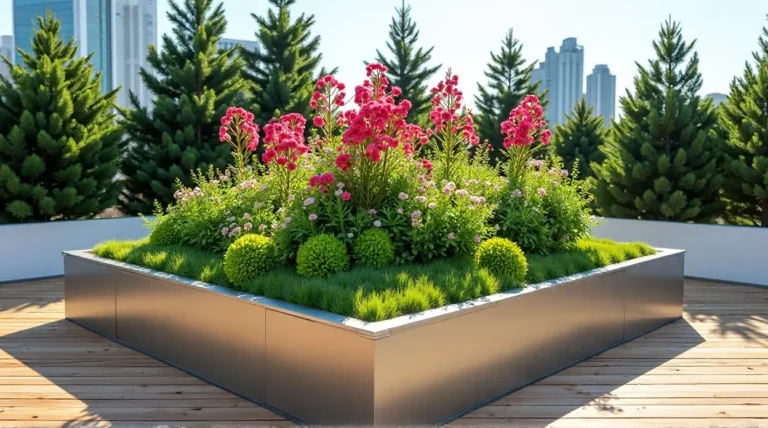
Elevated areas tend to receive more sunlight than lower-lying spots, which may be prone to shade from surrounding structures or plants. If possible, consider creating raised beds or planting in higher sections of your yard, optimizing sun collectivity for your chosen plants.
C. Use of Pathways and Borders
In a formal garden, pathways and borders can help delineate sunlit areas. Utilize materials like gravel or stone for pathways that provide aesthetic appeal while ensuring that they do not obstruct sunlight from reaching your plants.
Creating a Thriving Oasis Filled with Color
1. Layering and Plant Heights
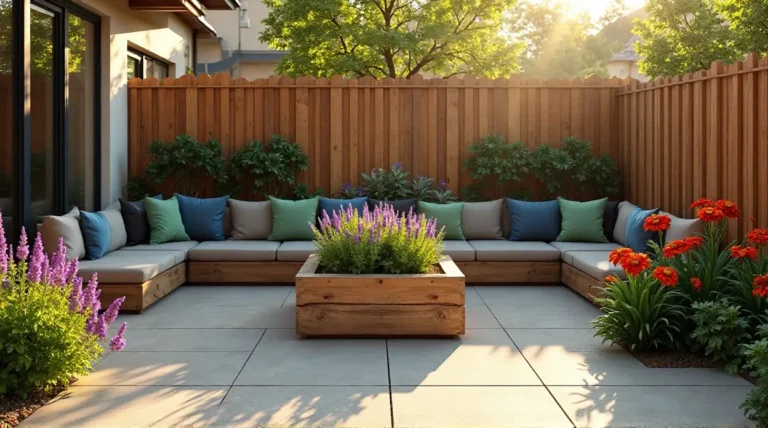
When arranging plants, consider varying their heights to create a visually appealing garden that captures and reflects sunlight. Taller plants should be positioned at the back of borders or against walls to avoid overshadowing shorter plants in front:
- Tall Plants: Position sunflowers, delphiniums, or ornamental grasses at the back.
- Medium Plants: Include plants like lavender or rudbeckia in the middle tier.
- Low Plants: Use groundcovers like creeping thyme or marigolds at the front for a colorful tapestry effect.
2. Color Considerations
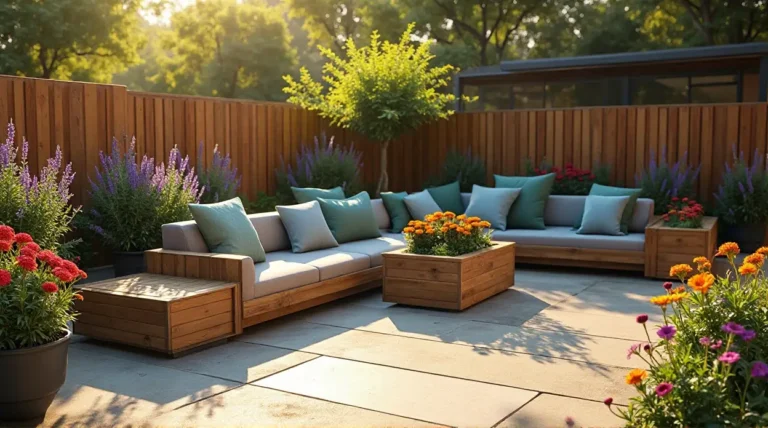
Incorporate a vibrant color palette that reflects the sunlight and creates visual interest:
- Warm Colors: Utilize reds, oranges, and yellows, which tend to absorb sunlight and create a warm atmosphere.
- Cool Colors: Blues, purples, and whites can not only contrast beautifully with warm colors but also reflect more light, adding to the luminous quality of the garden.
3. Seasonal Interest
Plan for seasonal changes by selecting plants that bloom at different times, ensuring that your garden remains colorful and vibrant throughout the year. Consider the blooming seasons, foliage color variations, and even fall displays to maintain interest across the seasons.
Design Tip:
Utilize evergreens or shrubs with interesting bark or structure during the dormant season to provide continuity and visual appeal even when flowering plants are not in bloom.
Conclusion
Sunlight is a critical factor in garden design that significantly impacts plant selection and arrangement. By understanding the sunlight needs of different plants and strategically positioning your formal garden to maximize sun exposure, you can create a vibrant oasis filled with color and life. Incorporating thoughtful designs that consider elevation, pathways, and plant heights will further enhance your garden’s beauty. Ultimately, embracing the importance of sunlight in your garden design can lead to a thriving, enchanting space that invites both relaxation and inspiration.
About the Author